
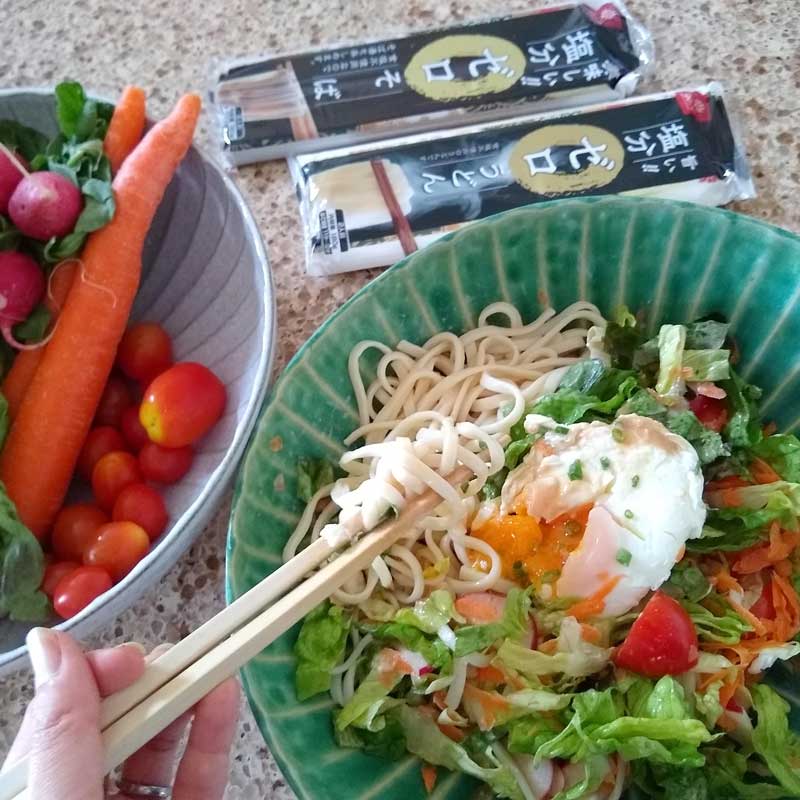
If you’ve ever stood in the noodle aisle or browsed a Japanese menu, you’ve likely asked the question: what’s the difference between udon, soba, and ramen? While all three are staples of Japanese cuisine, they vary significantly in texture, ingredients, and how they’re served.
Understanding these differences helps you choose the right noodle for your meal—and get the most out of your bowl.
What Is Udon?
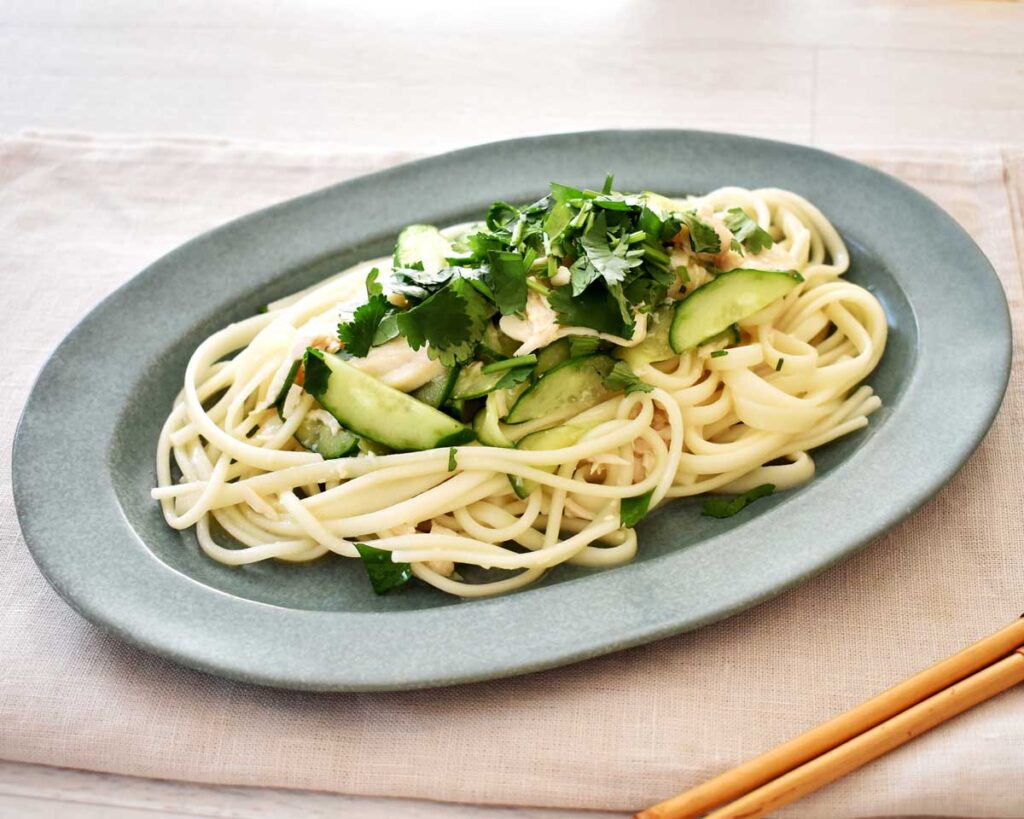
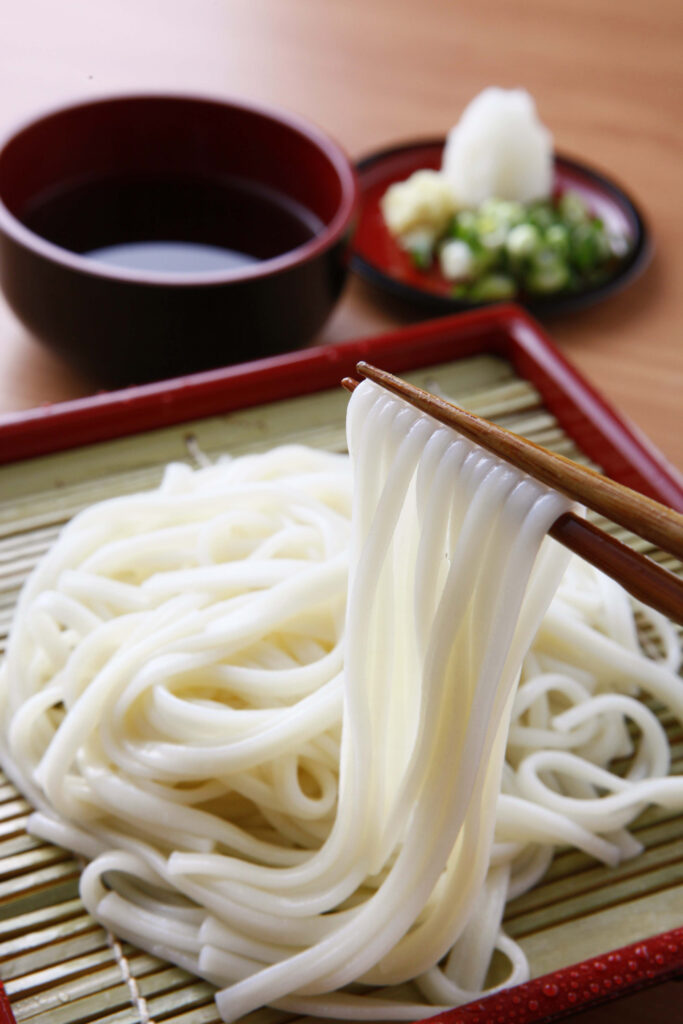
Udon is a thick, wheat-based noodle known for its smooth texture and chewy bite. It has a neutral flavor, making it incredibly versatile across different dishes.
Udon is often served:
- Hot in broth (kake udon)
- In rich dishes like curry udon
- Stir-fried (yaki udon)
- Chilled with dipping sauce (zaru udon)
Because of its thickness, udon absorbs flavors well while still maintaining its structure. Products like gourmet udon are designed to hold that ideal chew while remaining easy to cook at home.
What Is Soba?
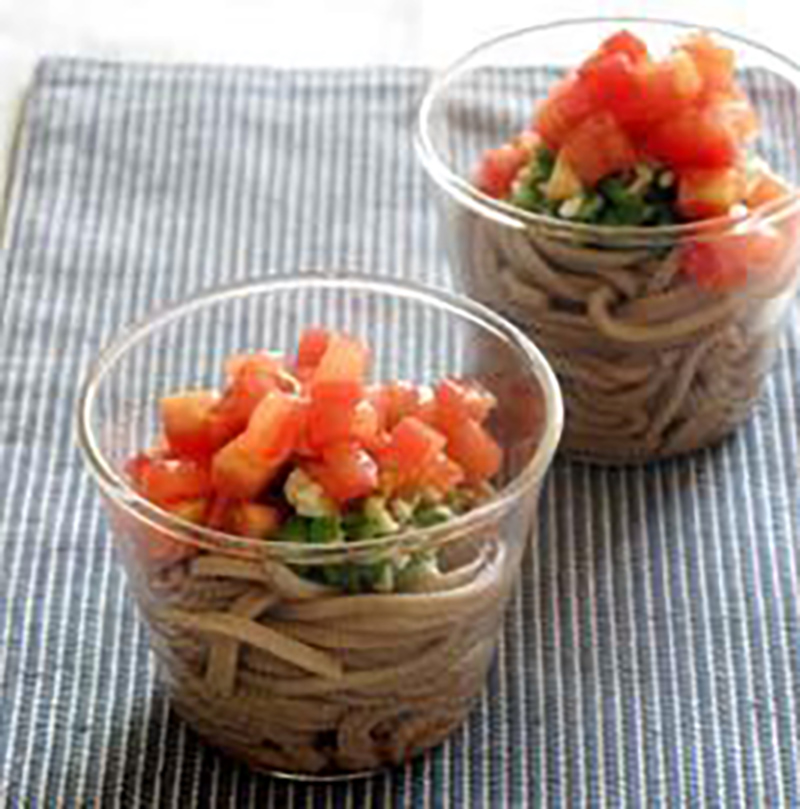
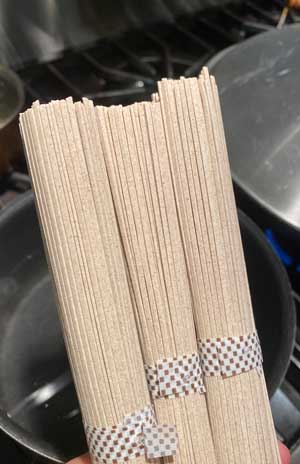
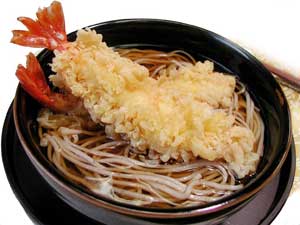
Soba noodles are thinner and made from buckwheat flour, giving them a slightly nutty, earthy flavor. They are lighter than udon and often associated with more delicate dishes.
Soba is commonly served:
- Cold with dipping sauce
- Lightly dressed in salads
- In simple broths
Because buckwheat can vary in percentage, soba noodles range in texture from soft to slightly firm.
What Is Ramen?
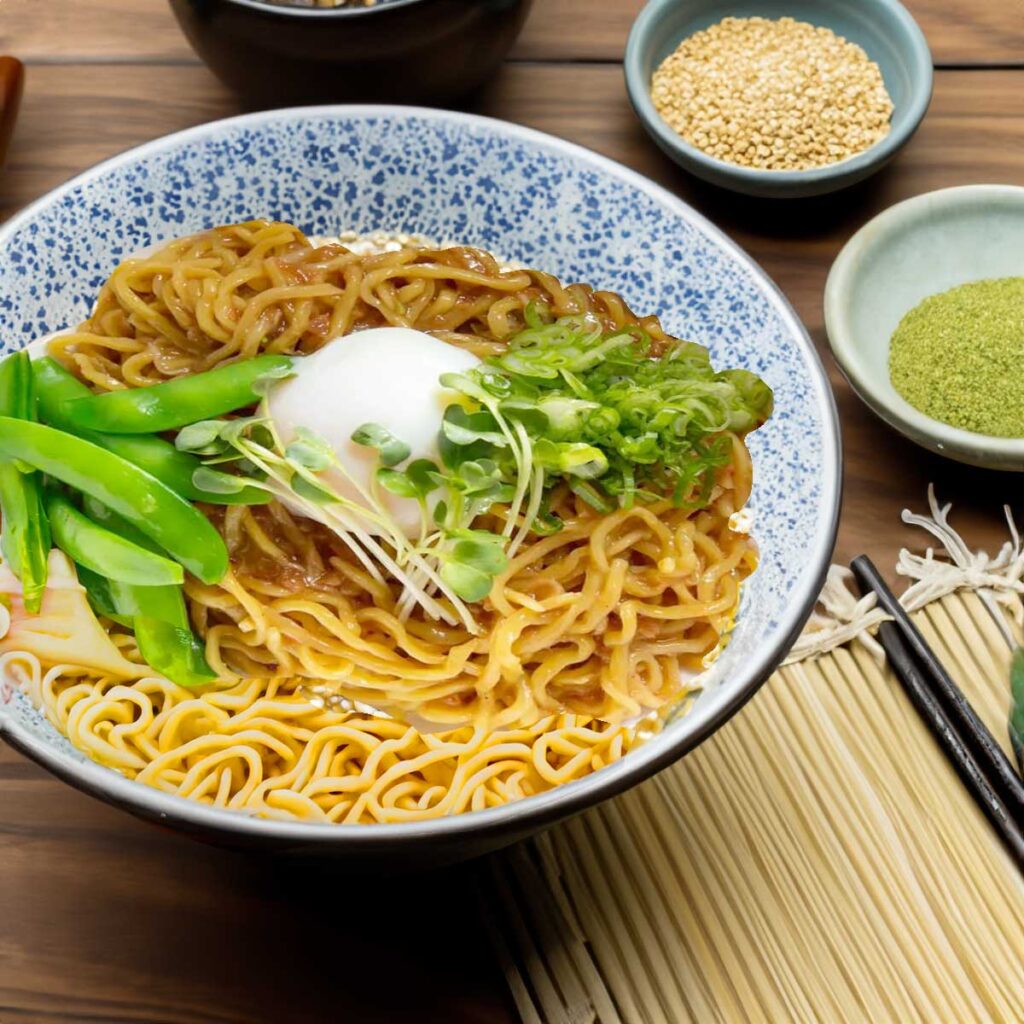
Ramen is also made from wheat but includes alkaline water (kansui), which gives the noodles their signature elasticity and yellow color.
Ramen is typically served in rich broths such as:
- Tonkotsu (pork bone)
- Shoyu (soy sauce)
- Miso
Unlike udon and soba, ramen is usually paired with bold, layered toppings like chashu pork, soft-boiled eggs, and seaweed.
Key Differences at a Glance
QUICK CHOICE CHART
Take a look and use this handy chart to see what makes the most of the features you are looking for in a Japanese noodle:
| Feature | Udon | Soba | Ramen |
|---|---|---|---|
| Thickness | Thick | Thin | Medium |
| Main Ingredient | Wheat | Buckwheat (or mix) | Wheat + kansui |
| Texture | Chewy, smooth | Light, slightly firm | Springy, elastic |
| Flavor | Neutral | Nutty | Mild, slightly alkaline |
| Best Use | Soup, stir-fry, cold | Cold, light dishes | Rich broth soups |
Which One Should You Choose?
It really comes down to what you’re craving.
If you want something hearty and comforting, udon is the go-to. Its thickness and chew make it ideal for everything from simple broths to bold sauces.
If you’re looking for something light and refreshing, soba offers a more delicate experience—especially when served cold.
If you’re in the mood for deep, rich flavor, ramen delivers a layered, satisfying bowl with complex broths and toppings.
Each noodle has its place, but udon stands out for its balance of texture, versatility, and ease of use. Whether you’re cooking a quick weeknight meal or exploring traditional Japanese dishes, gourmet udon offers a reliable, satisfying foundation.
